


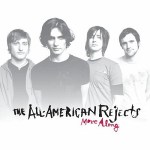


When people talk about early 2000s rock, The All-American Rejects often get shuffled into the usual categories: pop-punk, emo, Warped Tour band. But the truth is, none of those labels really fit — at least not completely.
So what were The All-American Rejects, really? If anything, they were pop-rock auteurs who got lumped into a scene full of what many called pop-punk. But if we’re calling them emo-pop — which might be a closer match than pop-punk — then they belong on the Mount Rushmore of the genre, right up there with Jimmy Eat World, Paramore, and Dashboard Confessional.
Strip away these scene labels, and what you’re left with is a band built on powerpop bones — soaring choruses, driving guitars, and a frontman who blends rockstar swagger with raw, honest songwriting.
It’s easy to mistake the band’s catchy hooks and mass appeal for commercial fluff. But listen closer: under the pop sheen, there’s pain, sarcasm, and bite. Songs like “Move Along” and “It Ends Tonight” aren’t just radio earworms — they’re emotionally volatile. Songs like “Gives You Hell,” often delivered with a smirk and a middle finger. The All-American Rejects were never afraid to blend emotional sincerity with pop ambition. They made heartache sound huge. They also were never afraid of letting the tongue burst through the cheek either.
While many scene bands stayed locked into the Warped Tour circuit, the Rejects were playing award shows, topping Billboard charts, and making music videos that felt more like short films than tour diaries. “Gives You Hell” wasn’t just a hit — it was a cultural moment, becoming one of the most successful songs ever released by a Warped-era band. And yet, despite their success, they’ve never quite gotten the critical respect they deserve.
They never fit the stereotypical “scene” mold — no eyeliner, no dramatic fashion, no effort to blend in. And that’s exactly what made them stand out. While others leaned into the look, The All-American Rejects let the music speak louder: sharp, melodic, emotionally rich, and unapologetically polished. They didn’t look like the scene — but they still defined an era of it.
“Swing, Swing” is the blueprint: a coming-of-age powerpop hit masquerading as a scene song. From there, the band only expanded their sound. When the World Comes Down and Kids In The Street weren’t just albums — they were statement pieces, unapologetically theatrical in an era that favored rawness.
When the World Comes Down revealed the full scope of their ambition: cinematic arrangements, dramatic dynamics, and songs that felt built for widescreen emotions. Then came Kids in the Street, their most misunderstood record — a synth-laced, storytelling-heavy album that leaned even further into experimentation, vulnerability, and evolution. Where most of their peers played it safe, The All-American Rejects doubled down on depth.
What makes their catalog special isn’t just the singles — it’s the album cuts that reveal their depth and daring. Songs like “Back to Me” channel aching sincerity through soaring melody, while “Fast & Slow” leans into groove and grit with seductive confidence. And then there’s “Gonzo” — a theatrical, slow-burner that plays like an autobiographical curtain call, peeling back the band’s outer layers and exposing their self-awareness, weariness, and defiance. It’s not just a song — it’s a statement.
They weren’t afraid to be catchy, but they also weren’t afraid to be strange. There’s theatricality in their DNA — a flair for drama and nuance that often went overlooked in favor of their radio success. Their songs balance polished hooks with emotional depth, blending arena-ready anthems with intimate moments that reveal a band constantly pushing their creative boundaries.
And now, with the release of “Easy Come, Easy Go” and the promise of a new album, they’re reminding everyone that they never left — they just evolved.
Check out their new song here:
 Anthem Era
Leave a comment