


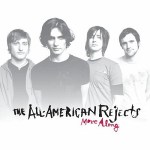
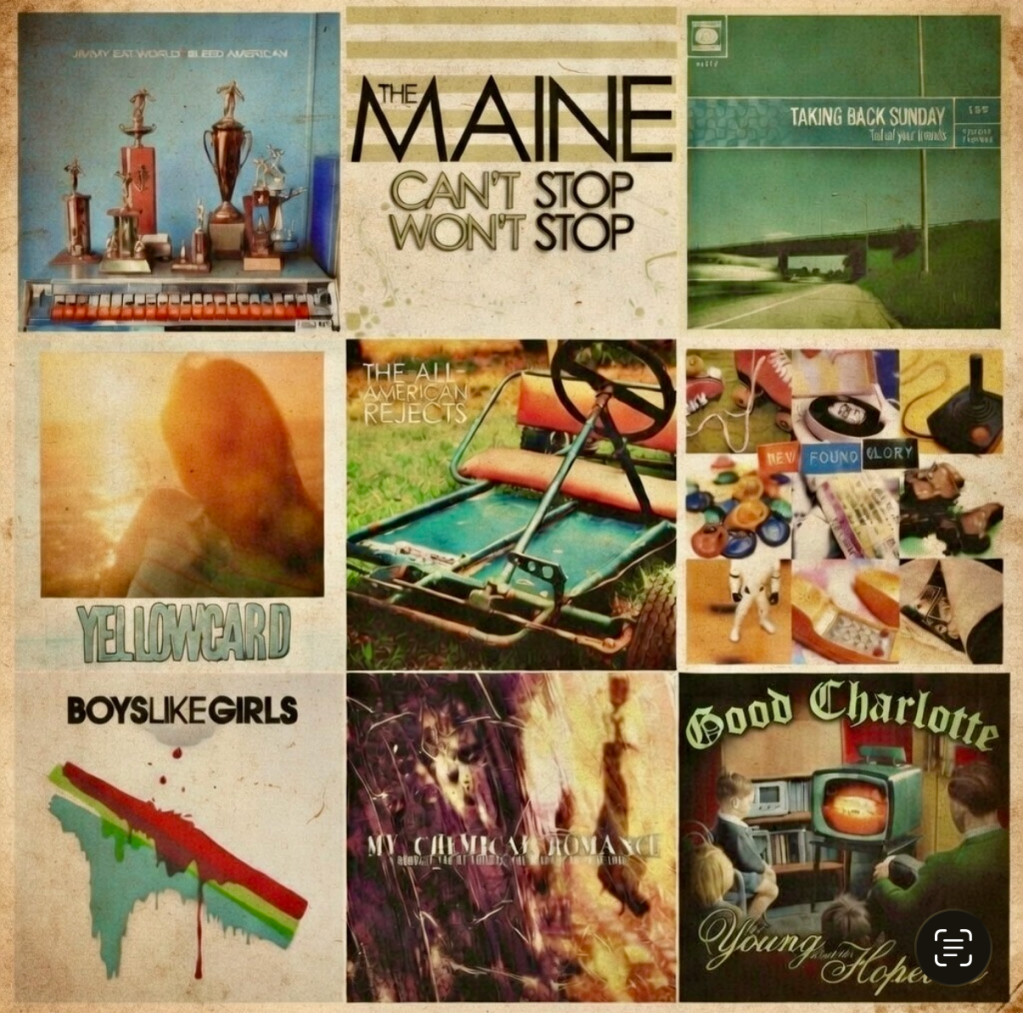
If you’ve been paying attention to tour announcements lately, you can feel it. Emo and pop punk are not just resurfacing for nostalgia headlines. They are actually leading conversations again. 2026 is starting to look like the biggest year the genre has had since the mid 2000s, and this time it does not feel like a temporary revival.
Between major festival returns, anniversary tours, and new albums from legacy bands, the calendar is stacked. Warped Tour coming back alone shifted the energy, but it is bigger than one festival. Bands that defined the original 2000s wave are selling out rooms again, and not just because people want to relive high school. The crowds are mixed. You have people who were there the first time around standing next to teenagers who found the same bands through streaming playlists and social media. That crossover matters because it shows this is not just a reunion cycle. It is a genre rebuilding itself in real time.
Streaming numbers for early 2000s emo and pop punk artists have climbed alongside newer releases.
Search interest around emo tours and pop punk festivals is rising. Promoters are booking alternative acts into bigger rooms again. Labels are investing in anniversary campaigns with real marketing budgets instead of treating them like side projects. It feels structured and intentional instead of ironic or novelty based.
Part of why 2026 feels different is timing. The generation that grew up during the peak of emo and pop punk now has spending power. They are buying tickets, traveling for festivals, and bringing friends with them. At the same time, younger listeners are gravitating toward music that feels louder and more emotionally direct. Pop punk and emo have always thrived on vulnerability and big hooks. That kind of sincerity cycles back when culture gets overly polished.
There is also an aesthetic shift happening again.
The early 2000s look is not being mocked the way it was a decade ago. It is being embraced. Band tees, darker styling, layered outfits, all of it is visible again in a way that feels intentional rather than costume based. The visual revival feeds the music revival, and the music revival reinforces the community.
What makes 2026 stand out is that it does not feel like artists trying to recreate who they were in 2006. The veteran bands sound tighter and more confident. Newer artists are clearly influenced by that era but are not copying it. The scene feels broader and more inclusive than it was during its original peak. It feels healthier. That makes the growth more sustainable.
So is 2026 the big bring back year for emo and pop punk. It is starting to look that way. Not because it is trending for a month, but because there is infrastructure, audience demand, and cross generational support lining up at the same time. When that happens, it is not just a comeback. It is a reset.
If the last decade was about quietly rebuilding, this year feels like the moment the genre stepped back into the front of the room without apologizing for existing. And honestly, it looks like it plans to stay there.
 Anthem Era
Leave a comment