




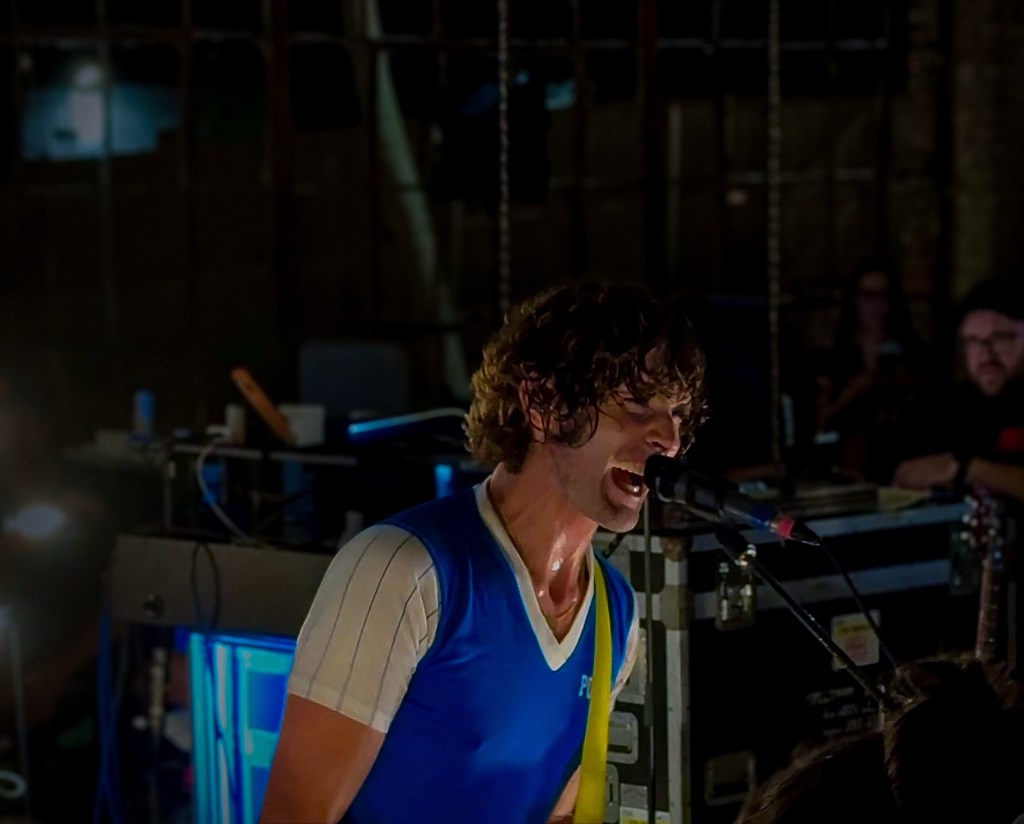
For a long time, bigger automatically meant better. Bigger stages, bigger screens, bigger production budgets. Arenas became the goal because that’s what success was supposed to look like. And they are impressive. The lights are intense, the sound is clean, and everything runs exactly the way it’s designed to.
In a tight venue, there’s nowhere to disappear. If someone misses a note, you hear it. If their voice cracks, you hear that too. There isn’t a massive screen stretching the moment out or smoothing it over. It’s just happening a few feet away. You can tell immediately if the energy is real. If it’s off, the room knows. If it’s good, it spreads fast and gets loud in a way that doesn’t need production tricks to feel big.
The obsession with scale has started to feel predictable, and predictable is the fastest way to make live music forgettable. Small rooms don’t give you spectacle. They give you tension, eye contact, and those strange quiet seconds before a chorus when everyone is waiting for it to land.
More artists are choosing smaller rooms on purpose. Not because they can’t fill bigger ones, but because they want to feel the crowd again. They want to hear the lyrics come back at them without a delay. They want the kind of show where nothing is hidden and nothing is softened. Lately, intimacy isn’t something artists grow out of. It’s something they’re actively choosing.
There’s something about standing in a packed room where everyone is facing the same direction and feeling the same thing at the same time. No filters. No distance. Just a shared moment that doesn’t need to be scaled up to feel important.
 Anthem Era
Leave a comment