




There’s been something off about live music for a while now.
There was a point where going to a show felt like being part of something. Not just watching it, but inside it, sweating through it, screaming through it, leaving with your ears ringing and your chest still vibrating, alive. It didn’t end when you walked out. It followed you home, sat with you in the quiet, changed the way you felt for days after, like something in you had been shaken loose. It made things feel louder, closer, more real, like you weren’t just existing, you were in it.
Somewhere along the way, that changed. Not the music. Not the artists. Everything around it.
It’s not subtle either. Tickets are more expensive, fees are out of control, and somehow the experience feels smaller even when the venues keep getting bigger.
And that’s why Playhouse feels different.
Not in a “new app, new feature” kind of way. More like someone actually looked at the entire system and said, yeah, this doesn’t really work anymore.
Playhouse, created by Tyson Ritter, is built around a simple idea that somehow hasn’t been done like this before. Artists announce shows, fans RSVP, and people offer up spaces to host. Nothing happens, and nobody gets charged, until the demand is there and the show is actually real.
That alone flips the usual model on its head.
Instead of artists guessing where to play, they can see where people are. Instead of fans gambling on whether something’s worth it, they commit risk-free. And instead of venues being the gatekeepers, literally anyone with a viable space can become part of it.
And that’s where this starts to matter beyond just music.
Because this isn’t just about bands finding places to play. This is about places that normally don’t get shows suddenly having them.
A small shop that closes at five can reopen at seven and turn into a venue for the night. A bowling alley, a barn, a backyard, a random upstairs space that usually just sits empty. In a time where everything feels expensive and margins are tight, especially right now in 2026, that’s not nothing.
Gas is pushing four dollars again. People are picking and choosing what they spend money on more than ever. Going to a big show with fees stacked on top of fees just doesn’t hit the same for a lot of people anymore.
But something local? Something close? Something you actually feel part of?
That still works. That always has.
And that’s the part a lot of the industry missed.
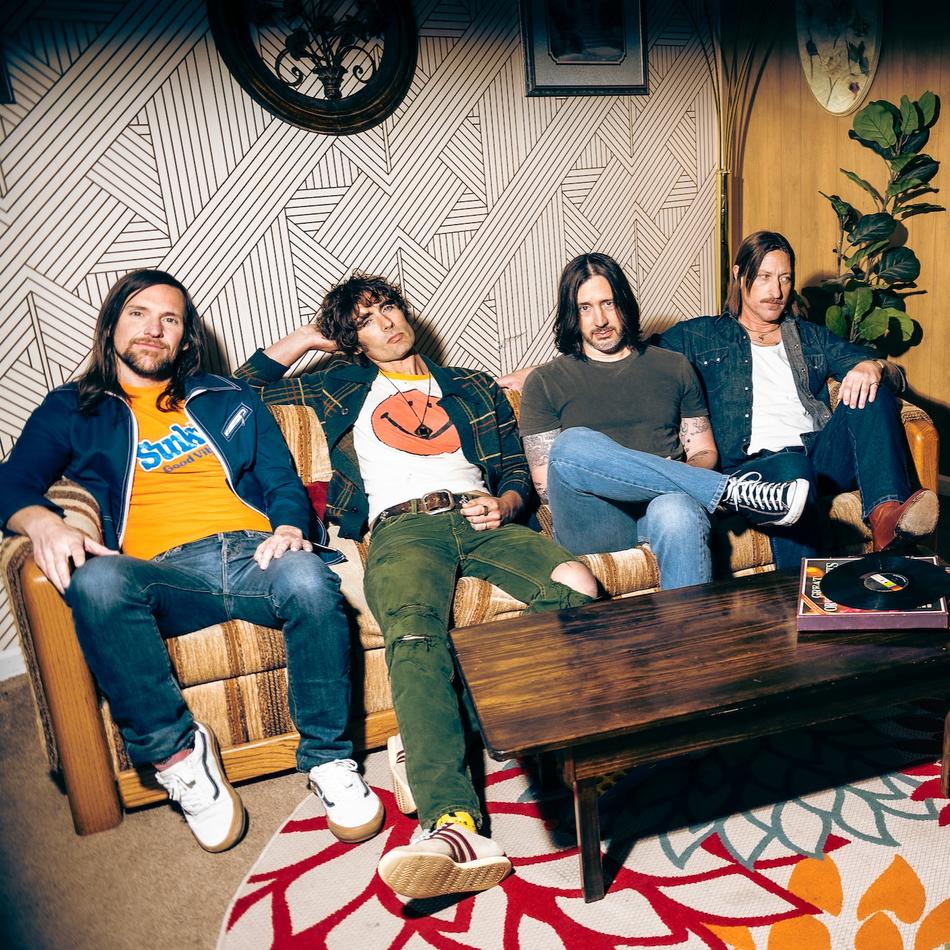
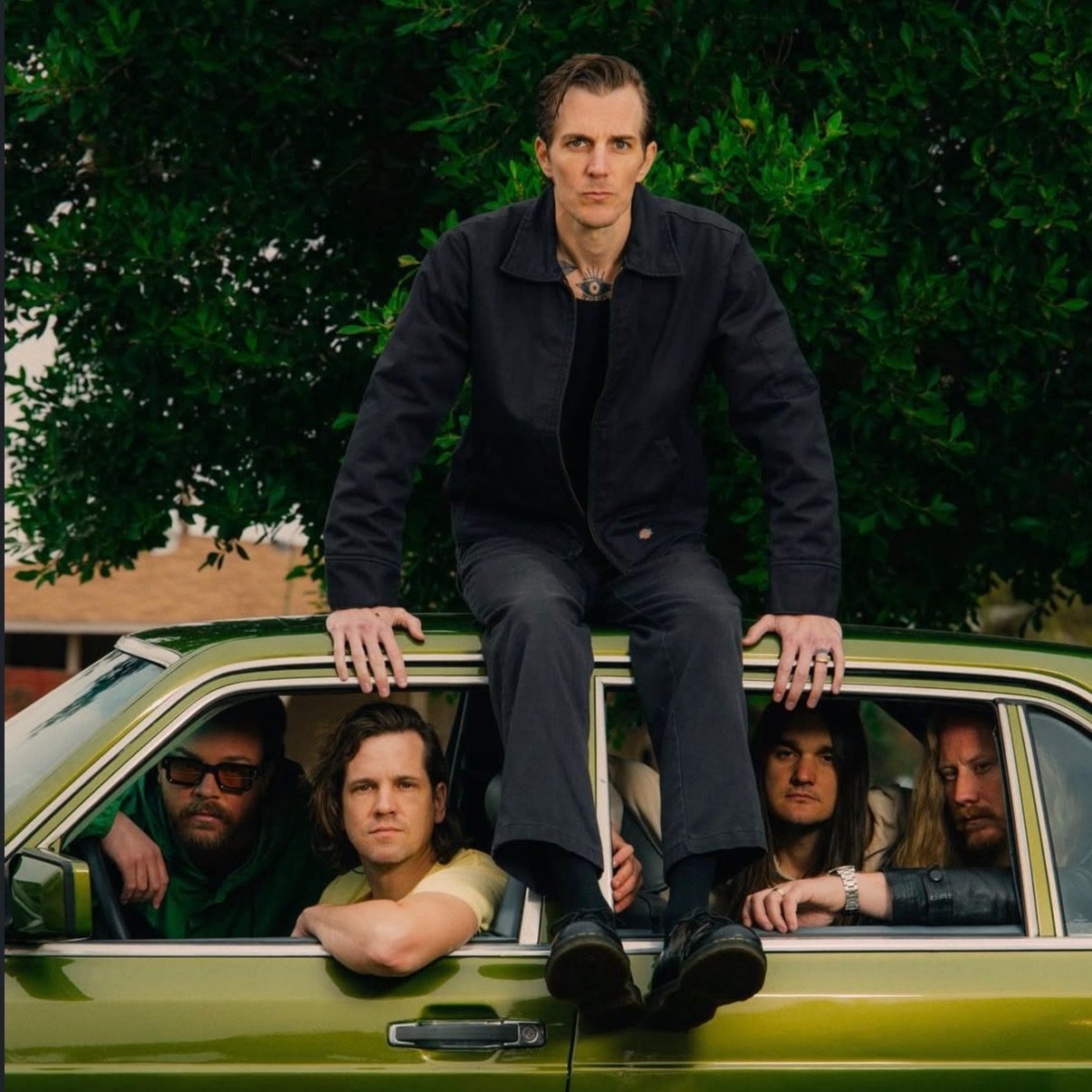
The idea for Playhouse didn’t come out of a boardroom or some tech startup trying to “disrupt” music. It came from something that already proved itself. The All-American Rejects went out and played house shows across the Midwest, and people showed up. Not just physically, but emotionally.
Tyson Ritter announced his new platform, Playhouse.band, at SXSW 2026, describing it as a “direct link for show creation” designed to connect artists with fans for intimate, DIY-style concerts. “Airbnb of Music Venues,” this platform aims to bypass traditional promoters, allowing fans to host shows in their own homes.
They weren’t watching from a distance. They were in it. Singing, pushing, crowd surfing, actually connecting with the band in a way that big shows just don’t allow anymore.
That’s what this is trying to bring back.
Not nostalgia for the sake of it, but the feeling that made live music matter in the first place.
And yeah, there’s an anti-corporate angle to it, whether people want to say that out loud or not. When you remove promoters, cut down the layers, and let artists and fans connect directly, you’re naturally pushing against a system that’s been built on scaling everything up and squeezing as much out of it as possible.
Playhouse doesn’t scale the same way. It spreads.
It shows up in different towns, different spaces, different communities that normally wouldn’t even be on a tour map.
And honestly, that might be the most important part of it.
So how does Playhouse actually work?
At its core, it’s simple.
Artists announce a show. Fans RSVP to it. Hosts offer up spaces.
Nothing is charged until enough people commit and the right venue is locked in.
No guessing, no wasted bookings, no risk for fans.
Just real demand turning into real shows, in real spaces.
If you want to check it out or get involved:
https://playhouse.band/

Photo by Nicole Mago for Rolling Stone
Featured Photo by @aknightp via The All-American Rejects
Leave a Reply